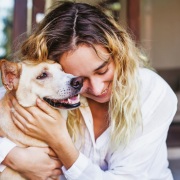

Puppy

The Joy and Responsibility of Raising a Puppy: A Comprehensive Guide

There are few experiences as heartwarming and transformative as welcoming a puppy into your home. The moment you first look into the eager, wide eyes of a young dog, there’s an undeniable sense of connection, a bond that will grow deeper with each passing day. Puppies, with their boundless energy and innocent curiosity, bring a unique kind of joy to a household. But while raising a puppy can be an immensely rewarding experience, it is also a responsibility that requires patience, care, and an understanding of their developmental needs. The journey of nurturing a puppy into a well-adjusted adult dog is one filled with challenges, growth, and countless moments of pure affection. This article will explore the essential aspects of puppy care, from the initial stages of bringing one home to training and health considerations that will shape their future.

The Beginning: Bringing a Puppy Home

The first step in raising a puppy is, of course, bringing them into your home. This moment is filled with excitement, anticipation, and perhaps a bit of anxiety. Before your new puppy arrives, it’s essential to prepare your home for the changes they will bring. Creating a safe, comfortable space for them to adjust to their new environment will ease the transition. You’ll need to establish a designated area with a bed, toys, food, and water dishes, as well as an area for potty training. Puppy-proofing your home is equally important—just as babies explore their surroundings with curiosity, puppies will get into everything. Electrical cords, sharp objects, and toxic plants should be kept out of reach.

From the very first day, your puppy will begin to learn about their new world. This is a crucial time for socialization, a period during which they start to form the foundation of their relationship with humans, other pets, and their environment. Exposing them to various experiences—gentle handling, walks in the park, meeting other friendly animals—will help them grow into confident and well-adjusted adults.

Nutrition and Growth: The Cornerstones of Puppy Health

In the early months of a puppy’s life, nutrition plays an indispensable role in their development. Puppies are rapidly growing and require a diet specifically designed to support their energy needs, promote healthy bone growth, and bolster their immune systems. Unlike adult dogs, puppies require food that is high in protein and fat to fuel their active bodies. Puppy food is typically formulated to provide the right balance of vitamins, minerals, and fatty acids that are necessary for growth.

It is important to choose high-quality puppy food that is appropriate for the breed and size of your dog. Large breed puppies, such as German Shepherds or Golden Retrievers, have different nutritional requirements than small breed puppies, like Chihuahuas or Dachshunds. Overfeeding or underfeeding can lead to health problems—excessive weight gain in large breeds can result in developmental issues with their joints, while underfeeding can stunt their growth.

Consistency is key when it comes to feeding your puppy. Establishing a regular feeding schedule will help them get used to a routine and can make house training easier. Puppies should be fed three to four times a day at first, gradually transitioning to two meals a day as they grow older. Alongside their diet, always ensure your puppy has access to fresh water.

Potty Training: Building a Foundation for Good Habits

One of the first challenges many puppy owners face is potty training. This can often be one of the most frustrating, yet ultimately rewarding, aspects of raising a puppy. Puppies, especially during the early months, don’t have the ability to hold their bladder for extended periods, so consistency and patience are essential in teaching them where and when it’s appropriate to go to the bathroom.

Establishing a consistent potty routine is one of the most effective ways to encourage good habits. Take your puppy outside frequently, especially after meals, naps, and playtime, and praise them when they eliminate in the right spot. Positive reinforcement, such as treats and verbal praise, is the best method for reinforcing desired behaviors. Crate training can also be an effective tool, as puppies naturally avoid soiling their sleeping area, leading them to associate their crate with a clean, comfortable space.

Accidents will happen, and this is a normal part of the process. Never punish your puppy for accidents, as this can cause confusion and fear. Instead, clean up the mess promptly and calmly, ensuring that the area is free from lingering odors that might encourage repeated accidents.

Training: Shaping Behavior and Strengthening the Bond

Training is a vital aspect of raising a puppy. It’s not just about teaching your dog to sit, stay, or come—it’s about fostering a strong bond of trust and communication. A well-trained puppy is easier to manage, safer to interact with, and more likely to grow into a balanced, well-mannered adult dog.

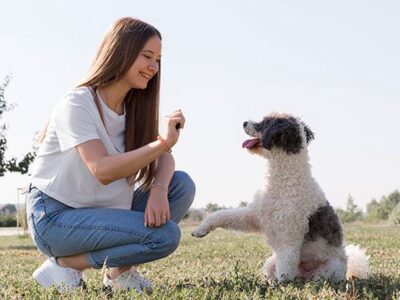
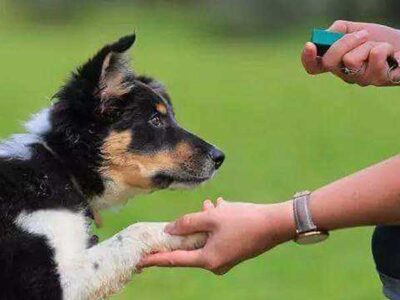
Puppies are incredibly receptive to training, especially during the critical period between 8 and 16 weeks of age. It is during this time that they learn basic commands and social cues, and they are most open to forming habits. Positive reinforcement is the most effective method of training. When your puppy follows a command correctly, reward them with a treat, praise, or affection. Keep training sessions short, engaging, and fun—puppies have short attention spans and may become frustrated if the session lasts too long.

Early socialization, where puppies are exposed to different people, pets, sounds, and environments, is crucial for preventing future behavioral issues. A well-socialized puppy is more likely to be confident and comfortable in different situations, reducing the risk of fear-based aggression or anxiety. Puppy classes are a great way to combine training and socialization, providing an opportunity for both you and your puppy to learn from a professional trainer in a safe, controlled environment.

Healthcare: Preventing Illness and Promoting Longevity

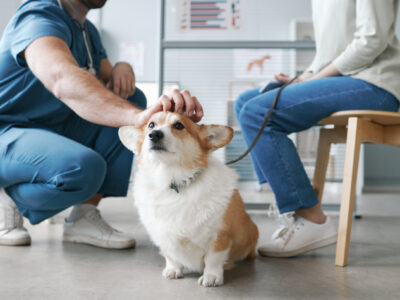
One of the most significant responsibilities of any puppy owner is ensuring their new companion stays healthy. This begins with veterinary care. It’s essential to schedule a check-up with a veterinarian shortly after bringing your puppy home. Your vet will administer the necessary vaccinations, such as those for parvovirus, distemper, and rabies, as well as provide deworming treatments to prevent parasites.

Routine veterinary visits are important for monitoring your puppy’s growth and development. These visits may also involve discussions about spaying or neutering, dental care, and microchipping for identification purposes. As your puppy matures, regular check-ups will ensure that they remain healthy and receive any treatments or interventions necessary for their well-being.

Preventive care should also extend to grooming. Regular brushing, particularly for long-haired breeds, is essential for keeping your puppy’s coat healthy and free from mats. Bathing should be done sparingly, as over-bathing can strip their skin of natural oils. Nail trimming, ear cleaning, and dental hygiene are also critical aspects of maintaining your puppy’s overall health.

Exercise and Mental Stimulation: Keeping Your Puppy Happy

Puppies are energetic by nature and require both physical exercise and mental stimulation to remain healthy and well-balanced. Regular exercise helps burn off excess energy, preventing destructive behaviors like chewing and digging. Whether it’s a walk around the block, a game of fetch, or a romp in the yard, exercise should be a daily part of your puppy’s routine.

Mental stimulation is equally important. Puzzle toys, interactive games, and basic training sessions can keep your puppy’s mind engaged and prevent boredom. A puppy that is mentally challenged is less likely to develop behavioral issues or anxiety.

The Long Journey: Growing Together

Raising a puppy is a long-term commitment, one that extends well beyond the first few months of training and adjustment. As your puppy grows into an adult dog, their needs will evolve. They will require more advanced training, greater exercise, and a more mature approach to health care. But through all the challenges and rewards, the bond between you and your puppy will deepen.

In the end, the joy of raising a puppy comes from watching them grow, learn, and become an integral part of your life. The companionship, loyalty, and unconditional love that a dog provides are priceless. Raising a puppy may be demanding at times, but the satisfaction of seeing your dog thrive is one of the most fulfilling experiences a pet owner can have.

What is your reaction?

Excited
0
Happy
0
In Love
0
Not Sure
0
Silly
0

You may also like

More in:Puppy