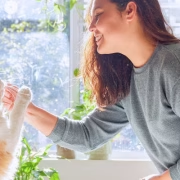

Pet Care

The Art of Pet Care: Nurturing the Bonds of Companionship and Responsibility

The decision to welcome a pet into one’s life is one that carries both immense joy and significant responsibility. Whether it is a playful puppy, a curious kitten, or a more independent rabbit, pets bring comfort, companionship, and even moments of humor into our homes. But along with the delight of sharing our lives with an animal comes the need to provide them with proper care. Pet care is not merely about feeding, sheltering, and providing medical attention—it’s about creating a healthy and happy environment that fosters the well-being of the animal while strengthening the emotional bond between pet and owner. This responsibility requires a holistic approach, one that balances affection, routine, and knowledge of the animal’s needs.

The Basics of Pet Care: Meeting the Fundamental Needs

At its core, pet care begins with meeting the fundamental needs of the animal. These include food, water, shelter, and exercise, but also emotional enrichment and healthcare. While these may seem obvious, they are the building blocks upon which the well-being of any pet is established.

Nutrition is the first pillar of a pet’s health. Just as humans require a balanced diet to function optimally, pets need food that supports their specific species’ requirements. Dogs, for instance, are omnivores, and their diet should include a mix of proteins, carbohydrates, and fats. Cats, being obligate carnivores, require a higher protein content in their meals. Choosing the right pet food is essential, and this involves understanding the specific nutritional needs of the animal based on their age, size, and activity level. Pet owners should consult with veterinarians to select the best food and understand portion control, as overfeeding can lead to obesity—a common and preventable issue in pets.

Hydration is another crucial element. While most pets will naturally drink water when thirsty, it’s important to ensure that fresh, clean water is always available. Dehydration can lead to a range of health issues, from kidney problems to reduced energy levels. Cats, in particular, are sometimes less inclined to drink sufficient water, so wet food can be a good alternative to help keep them hydrated.

Shelter is often the least discussed yet most important factor in pet care. Pets need a safe, comfortable space to rest and sleep. For indoor pets, this means a cozy bed or designated area where they can retreat for quiet time. For outdoor pets, it involves proper housing that protects them from the elements and ensures their safety. Outdoor animals, such as dogs, need a secure yard, free from hazards, while also having access to shade, shelter, and warmth. Indoor environments should be cat-friendly, with scratching posts and spaces to explore, ensuring the pet’s environment nurtures both its physical and emotional well-being.

Exercise is another vital component of care, though its specific requirements will vary based on the pet. Dogs, especially active breeds, require regular walks and playtime to keep both their bodies and minds engaged. Cats, though more independent in their exercise habits, still need time for play, even if it’s just chasing a toy or engaging in interactive activities with their owners. Even small animals, like rabbits or guinea pigs, need time outside their cages to roam and explore safely. Regular exercise prevents boredom, reduces stress, and maintains healthy body weight—an essential part of overall pet health.

Veterinary Care: Health as a Priority

A pet’s health is paramount, and routine veterinary care is essential to ensure that they lead a long, happy life. Regular check-ups are crucial, as they allow for early detection of any health issues. Vaccinations, flea and tick prevention, and annual health screenings are part of a comprehensive approach to keeping pets healthy. Additionally, preventive care such as dental cleaning, grooming, and parasite control must not be overlooked.

Cats, dogs, and other pets, though they may not outwardly express discomfort, can be prone to illness that only a trained eye can detect. Annual visits to the veterinarian not only help with vaccinations but also with advice on nutrition, behavior, and any adjustments in the pet’s lifestyle that may be necessary as they age. Older pets, in particular, benefit from regular monitoring for signs of arthritis, vision problems, or heart conditions.

Additionally, spaying and neutering are vital for controlling the pet population and improving the animal’s overall health. For example, spaying female pets reduces the risk of certain cancers, while neutering male pets can mitigate behavioral issues such as marking and aggression. Responsible pet owners understand the importance of these procedures and choose to make them a part of their pet’s care.

Grooming and Hygiene: Ensuring Comfort and Cleanliness

Grooming is an often overlooked yet vital aspect of pet care. While some pets, such as certain short-haired breeds, may require minimal grooming, others demand more frequent attention. Long-haired cats and dogs, for example, need regular brushing to prevent mats and tangles, and to reduce shedding. Bathing pets, particularly those with oily coats or allergies, is also an essential part of their care routine.

Good hygiene extends beyond the fur. Ear cleaning, nail trimming, and dental care should be part of every pet’s routine. Regular ear checks prevent infections, while nail trimming ensures that they are not left to grow too long, which can cause discomfort or injury. Brushing a pet’s teeth regularly helps combat dental disease and promotes overall health, as poor dental hygiene can lead to more serious systemic issues.

Emotional Well-being: The Key to a Happy Pet

While the physical care of a pet is essential, emotional well-being plays an equally important role in a pet’s quality of life. Pets thrive in environments where they feel loved, secure, and mentally stimulated. Dogs, in particular, are social animals and require companionship. Leaving them alone for long periods can lead to anxiety, boredom, and destructive behavior. Providing pets with affection, attention, and socialization is crucial for their mental and emotional health. A stimulating environment, filled with toys, training sessions, and exploration, can keep a pet mentally sharp and emotionally fulfilled.

Cats, though more independent, still benefit from interactive play and affectionate gestures from their owners. They form strong bonds with their families and require time spent with them in a non-pressured manner. Understanding their body language—such as when they want attention or when they need space—helps owners foster a positive, trusting relationship with their pets.

The Commitment of Pet Ownership

Pet care, at its heart, is a long-term commitment. It is not just about meeting a pet’s needs on a daily basis but also preparing for changes that come with age and shifts in lifestyle. Owning a pet means consistently providing the time, energy, and resources needed to support their health, comfort, and happiness throughout their lives.

This commitment requires both patience and understanding, especially as pets grow older or face health challenges. It also means accepting responsibility for their well-being, regardless of circumstances. Ultimately, the bond between pet and owner is one that requires mutual respect, care, and an ongoing commitment to providing the best life possible.

Conclusion: The Reward of Responsible Pet Care

Pet care is an art—a balance of attention to detail, knowledge, and compassion. By ensuring that pets’ physical, emotional, and social needs are met, pet owners create environments where these animals can thrive. The rewards of such care are manifold: the joy of watching a dog’s tail wag when its owner returns home, the soothing purr of a cat nestled on a lap, the comforting companionship of a bird singing in its cage. The responsibility may be great, but so are the joys of pet ownership. For those who are ready to take on this responsibility, the bond with a pet is one of the most fulfilling and enduring relationships one can experience.

What is your reaction?

Excited
0
Happy
0
In Love
0
Not Sure
0
Silly
0

You may also like

More in:Pet Care