
 By Newell Jay
The bond we share with our pets is one of unconditional love, but it also comes with the significant responsibility of ensuring their well-being. Because our companions cannot communicate with us using spoken language, we must become experts in observing their behaviors, body language, and physical appearance to interpret their health status. Recognizing the signals of a thriving animal allows us to feel confident in our care routines, while also enabling the prompt detection of subtle issues before they escalate. A comprehensive approach to wellness involves understanding that happiness and physical health are inextricably linked in animals, perhaps even more so than in humans. This guide details the critical signs across multiple dimensions that indicate your companion animal is truly happy and healthy.
Clear and Bright Physical Characteristics
Physical condition is the most visible indicator of an animal’s internal health. Regular observation during grooming or cuddling is essential.
A Vibrant, Clean Coat
For mammals like cats, dogs, rabbits, and guinea pigs, the skin and coat serve as a primary reflection of overall nutritional status and health. A healthy animal will possess a coat that is soft, clean, and has a natural sheen (appropriate to the breed). It should be free from excessive dander, mats, or oily residue.
-
Absence of Parasites: The coat and skin must be free from fleas, ticks, mites, and their debris (flea dirt).
-
Minimal Shedding: While natural seasonal shedding is normal, excessive hair loss that creates bald patches is a significant red flag indicating stress, hormonal imbalance, or allergies.
-
Intact Skin: Healthy skin is supple and free from scabs, redness, sores, or flaky patches.
Clear and Sparking Eyes
The saying that “eyes are the window to the soul” holds true for physical health assessment. A healthy pet’s eyes are bright, clear, and alert. The whites of the eyes (sclera) should be white, not yellow (icterus) or red (injected).
-
No Discharge: Minimal, clear “sleepiness” at the corners is normal, but colored discharge (yellow, green), persistent cloudiness, or excessive tearing requires veterinary attention.
-
Focus and Responsiveness: The animal should track movement easily, and the pupils should be of equal size and reactive to changes in light.
Clean Ears and Nose
Healthy ears are clean inside, with minimal pale wax. They should not exhibit a strong, yeasty odor. Redness, black discharge, or intense scratching or head-shaking indicate infection. For most pets, the nose should be clean, free from cracked skin or crust, and have only minor, clear moisture; thick or colored discharge is always abnormal.
Healthy Physiological Functions
Observing daily habits related to energy and digestion provides crucial health data.
Consistent and Appropriate Appetite
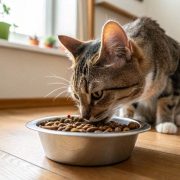
A healthy appetite is one of the most reassuring signs. While specific caloric needs and food enthusiasm vary by species and breed, a healthy pet should generally approach mealtime with interest and consume a consistent amount. Sudden, unexplained changes in appetite—whether an increase (polyphagia) or a decrease (anorexia)—demand investigation.
Optimal Digestion and Waste Production
While monitoring elimination habits may not be glamorous, it is vital. Healthy waste is a direct reflection of a healthy digestive tract. Stool should be formed and firm but not dry or painful to pass. Frequent diarrhea, straining (constipation), or the presence of mucus or blood is indicative of underlying problems. Urine should generally be pale yellow; unusually dark urine or difficulty urinating is a serious concern.
Vitality and Appropriate Energy Levels
Health is not simply the absence of disease; it is the presence of vitality. A healthy pet has the energy requisite for their species, age, and breed.
-
Engaged Rest: While animals (especially cats) sleep extensively, their sleep should appear restful, and they should wake relatively easily when stimulated.
-
Play and Activity: There must be periods of activity where the pet initiates play, explores their environment, and displays genuine curiosity. Chronic lethargy or a reluctance to engage in previously enjoyed activities is a potent sign of illness or pain.
Calm and Confident Body Language
An animal that feels safe and physically comfortable communicates this through their posture and expressions. Learning body language is essential to interpreting happiness.
A Relaxed Physical Posture
A happy and healthy animal exhibits a physical presence that is free from tension. They carry themselves in a way that suggests they are comfortable in their surroundings.
-
Comfortable Resting: Happy animals sleep deeply, often in vulnerable positions (like cats or dogs showing their bellies). An animal in pain or distress will often remain in a curled, “guarded” position, even when trying to rest.
-
Loose Movement: Healthy pets move with ease, showing no stiffness or favoring of certain limbs. Stiffness, especially after resting, often signals joint pain or arthritis.
Vocalization and Expression
Happiness often has a vocal component. In cats, contentment is famously signaled by consistent, rhythmic purring, as well as soft chirps and trills. Healthy dogs may express happiness with relaxed “huffs,” friendly barks during play, and quiet whimpers of excitement. The faces of happy animals lack tension; their ears are relaxed, their brows are smooth, and their mouths are often softly slightly open.
Social Engagement and Behavioral Wellness
The way a pet interacts with their environment and human companions reveals a great deal about their mental and physical well-being. Behavioral health and physical health are deeply interconnected.
Consistent Social Interactivity
The desire for connection is a sign of psychological comfort. A healthy pet—even a relatively independent one like a cat—wills still seek out social interaction with their family.
-
Greets Companions: Healthy pets often greet their owners when they return home, displaying excitement or contentment at their presence.
-
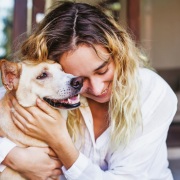
Seeks Affection: A happy animal initiates physical contact, whether it’s nudging for pets, “head-bunting” (bunting) from a cat, or a dog leaning against your leg.
-
Tolerance of Handling: An animal that is healthy is usually comfortable being touched and handled in ways they are accustomed to. A sudden aversion to petting or handling specific areas often indicates pain.
Resilience and Adaptability
A happy pet feels secure and confident, which manifests as emotional resilience. While few animals enjoy sudden, dramatic changes (like moving or a new family member), a resilient pet is capable of adapting to minor changes in their routine without experiencing crippling anxiety. Extreme stress reactions to typical daily activities, such as becoming catatonic from stress over minor noises or displaying destructive behaviors, indicate significant underlying wellness issues.
Healthy Grooming Habits
In species that groom meticulously, like cats and rabbits, grooming is a definitive indicator. These animals must be physically comfortable (not stiff, painful, or sick) and mentally secure to commit time to self-care. A thriving cat maintains an impeccable coat. A sick, stressed, or painful animal often neglects grooming, leading to matting, dullness, or the development of “spiky” looking fur.
Frequently Asked Questions
Is it normal for my senior pet to sleep almost all day?
While it is normal for aging animals (both cats and dogs) to require more rest than their younger counterparts, sleeping “almost all day” and being difficult to rouse can indicate pathology. A healthy senior pet should still have periods of calm alertness and initiate brief play or social interaction. Extreme lethargy often stems from pain (like arthritis), metabolic conditions (like hypothyroidism or kidney disease), or cognitive dysfunction. Any significant decrease in wakefulness should be evaluated by a veterinarian.
My dog still eats all his food but is very skinny. Is he healthy?
A good appetite does not always equate to health. If your dog is consuming an appropriate amount of high-quality food for their size and age but is losing weight (becoming “skinny”), this suggests they are either not absorbing the nutrients correctly or have an extremely high metabolic demand. Potential causes include internal parasites, malabsorption disorders, diabetes, or overactive thyroid (more common in cats). Weight loss in the face of a normal or increased appetite warrants diagnostic testing.
What causes a pet to suddenly become destructive when they were well-behaved?
Sudden destructive behaviors, like chewing furniture or inappropriate urination/defecation, frequently signal an underlying psychological or physical issue, not “badness.” Common triggers include severe separation anxiety, cognitive dysfunction (especially in older pets), or environmental stress (such as a new pet or moving). In some cases, behaviors like inappropriate urination are actually caused by physical issues, such as a urinary tract infection (UTI) or pain that makes using the standard litter box or going outside difficult.
Why do some healthy cats not purr?
While purring is the quintessential sound of a happy cat, not every content cat will purr audibly or frequently. Purring is often learned behavior, and its absence does not automatically mean a cat is unhappy. You must look at other context clues: is the cat relaxed, seeking affection, eating well, and displaying bright, attentive eyes? If they exhibit other signs of wellness but are just “quiet,” it is likely just their individual personality.
Can bad breath be normal for a pet?
No, significant bad breath (halitosis) is never normal for a companion animal. While their breath might not smell like roses, it should be relatively neutral. A strong, putrid, or yeasty odor usually indicates dental disease, which is incredibly common and very painful. Dental plaque and tartar buildup are the main culprits, causing inflammation (gingivitis) and potentially infection. Severe bad breath can also sometimes be a symptom of internal metabolic disorders, such as kidney failure.
My cat hates being held or picked up. Is she unhappy?
Not necessarily. While we often associate happiness with cuddliness, every pet has an individual threshold for physical handling. Many healthy and happy cats (and some dogs) prefer affection on their own terms and are uncomfortable with being confined or having their feet lift off the ground. If your cat displays bright eyes, interacts via head-bumps or rubbing your legs, purrs when petted (while on the ground), and otherwise acts thriving, she is simply expressing a personal boundary regarding handling.
How often do I need to take my visibly happy and healthy pet to the vet?
Even if your pet appears perfectly healthy and happy, they require at least an annual veterinary wellness examination. Animals are adept at hiding subtle or early symptoms of illness, which is an evolutionary survival trait. A routine exam allows your veterinarian to perform a thorough physical assessment (checking teeth, joints, and organs), review nutrition, administer necessary vaccinations, and often run baseline blood work. For senior pets, semi-annual (every six months) checkups are frequently recommended, as conditions develop more rapidly in aging animals.