 By Newell Jay
Nail care is vital to your pet’s overall health and comfort. Many pet owners overlook this crucial aspect of grooming, focusing instead on bathing and haircuts. Untrimmed nails cause immediate discomfort and lead to long-term health problems affecting mobility and quality of life. Regular nail maintenance prevents pain, improves movement, and contributes to better posture and joint health throughout your pet’s life.
Preventing painful nail injuries
Excessively long nails break more easily during everyday activities. These breaks often occur at the base, where blood vessels and nerves concentrate, creating painful bleeding injuries. Broken nails sometimes require veterinary treatment when they crack into the skin or become infected. Pets with long nails frequently catch them in blankets, carpet fibres, or floor grates. These snags sometimes tear the nail completely from the nail bed, creating traumatic injuries with significant bleeding and pain. Recovery requires weeks of careful management to prevent infection while new nail tissue grows. Professional nail services at Mckinney Pet Grooming include careful trimming techniques that maintain proper nail length while avoiding sensitivity quickly. Common nail injuries that proper trimming prevents:
- Split nails that expose sensitive inner tissues
- Broken nails with painful exposed quicks
- Ingrown nails that create chronic inflammation
- Torn nail beds requiring veterinary intervention
- Secondary infections from nail-related wounds
Indoor cats benefit from regular nail maintenance even when scratching posts are available. Without the natural wear provided by outdoor surfaces, indoor cats’ nails grow unchecked unless trimmed regularly. This overgrowth leads to the curling pattern that eventually causes paw injuries.
Supporting proper paw health
- Nail trims allow owners and groomers to inspect the entire paw. This regular examination helps identify problems between toes, around nail beds, and on paw pads before they become serious. Early detection of cysts, cuts, foreign objects, or infections leads to prompt treatment and faster resolution.
- Regular nail maintenance reduces nail bed inflammation when long nails push backwards during walking. This inflammation sometimes becomes chronic, creating discomfort that pets compensate for by altering their movement patterns. Left untreated, the condition worsens and affects overall mobility.
- Proper nail length allows normal splaying of toes during walking and running. This natural foot movement provides balance, stability, and grip on various surfaces. When nails grow too long, they prevent this splaying action and reduce proprioception—the sense of where paws are positioned in space.
Creating positive nail trim experiences
- Gradual desensitization helps pets accept nail trims without fear or resistance. Start by touching paws regularly during calm moments, rewarding relaxation with treats and praise. Progress to gently pressing each toe as if preparing to trim a nail, then holding this position for increasingly more extended periods before releasing.
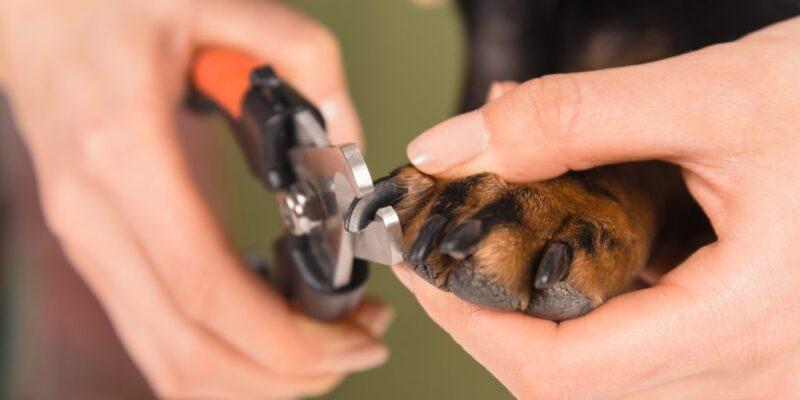
- Equipment selection plays a key role in successful nail maintenance. Different nail trimmers work better for various pets based on nail size, thickness, and pet temperament. Guillotine-style trimmers work well for small to medium dogs, while scissors suit larger dogs with thicker nails. Cats and small pets typically do best with specialized small trimmers designed for their delicate nails.
Professional groomers employ various distraction techniques during nail trims for anxious pets. Some use lick mats spread with peanut butter or soft cheese to keep dogs occupied, while others have assistants who provide constant treats and praise during the procedure. These approaches redirect attention away from the trim, reducing anxiety and creating more positive associations.