Puppy

The Importance of Regular Vet Visits for Your Puppy

Welcoming a new puppy into your life is an exciting and rewarding experience. As a responsible pet owner, one of the most crucial steps in ensuring your puppy grows into a healthy, happy dog is scheduling regular vet visits. These visits are essential for monitoring their overall health, preventing potential health issues, and fostering a strong bond between you and your puppy’s healthcare provider. Here, we’ll explore why regular veterinary check-ups are so important and what they involve, ensuring your puppy receives the best care possible.

1. Preventive Health Care and Early Detection

The most significant benefit of regular vet visits is the ability to catch potential health problems before they become serious. Puppies, like young children, are susceptible to a range of health issues, many of which can be effectively managed or treated if detected early.

a. Vaccinations

One of the primary reasons to take your puppy to the vet is to keep up with their vaccination schedule. Vaccinations help protect puppies from a number of potentially life-threatening diseases, such as parvovirus, distemper, and rabies. The vet will ensure that your puppy receives the appropriate vaccines at the right time, starting as early as six to eight weeks of age, and continuing through their first year.

b. Parasite Prevention

Puppies are prone to infestations from parasites such as fleas, ticks, and worms. Regular vet visits ensure that your puppy is on a proper parasite prevention plan. The vet may recommend treatments like flea and tick preventatives or deworming medications to protect your puppy’s health.

c. Early Detection of Health Issues

Regular check-ups give your vet the opportunity to detect early signs of health issues that may not yet be visible at home. For example, a vet may spot signs of heart disease, joint problems, or dental issues that could affect your puppy later in life. Addressing these problems early on can significantly improve your puppy’s long-term health and quality of life.

2. Establishing a Health Record and Tracking Growth

From the very first visit, your vet will establish a health record for your puppy. This record is invaluable as it tracks your puppy’s growth, vaccinations, treatments, and any potential health concerns.

a. Tracking Weight and Growth

Regular vet visits provide an opportunity to monitor your puppy’s weight and growth progress. Puppies grow quickly, and your vet will be able to track this development, ensuring your puppy is on the right path. This is also important for identifying issues such as malnutrition, underdevelopment, or obesity, which can have long-term consequences.

b. Developmental Milestones

Puppies reach a variety of developmental milestones during their first year. Regular vet visits allow you to discuss these milestones with your veterinarian and ensure that your puppy is meeting them. Your vet can help guide you on when to transition to adult food, when to start training your puppy, and what behavior to expect at each stage.

3. Building a Strong Relationship with Your Veterinarian

Establishing a good relationship with a trusted veterinarian is key to your puppy’s well-being. The more your puppy is exposed to the vet and the clinic, the less anxiety they will experience when future visits are necessary.

a. Reducing Fear of Vet Visits

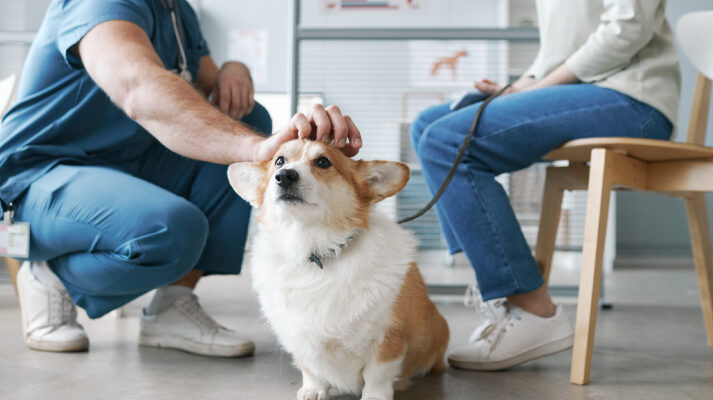
Taking your puppy to the vet regularly will help them become familiar with the environment. When puppies are introduced to the vet’s office from a young age, they are less likely to develop fear or anxiety associated with these visits. Positive experiences during these early visits will make future trips to the vet smoother and more comfortable for both you and your puppy.

b. Open Communication with Your Vet

Regular visits give you the opportunity to build rapport with your veterinarian, creating an open line of communication. You can ask questions about your puppy’s diet, behavior, or any concerns you may have. Having this ongoing dialogue helps you feel confident in your puppy’s care and allows your vet to provide tailored advice based on your puppy’s individual needs.

4. Spaying and Neutering

One of the critical health decisions you will make for your puppy is whether or not to spay or neuter them. Regular vet visits provide the perfect opportunity to discuss the benefits and timing of this procedure with your veterinarian.

a. Health Benefits

Spaying or neutering your puppy can prevent unwanted pregnancies and help reduce the risk of certain health issues, such as uterine infections in females and prostate problems in males. It can also help curb certain behavioral issues, such as aggression and roaming tendencies.

b. Timing of the Procedure

Your veterinarian will be able to recommend the best time to spay or neuter your puppy, based on their breed, size, and overall health. Most veterinarians recommend the procedure be done between six and nine months of age, although some may suggest it earlier or later depending on your puppy’s development.

5. Behavioral and Training Support

Regular vet visits are not just about health checks; they are also a great opportunity to seek advice on your puppy’s behavior and training. Veterinarians can offer valuable insights into managing common puppy behavior issues such as biting, chewing, or excessive barking.

a. Behavioral Guidance

Your vet can help identify if a behavioral issue is rooted in a medical problem or if it’s simply part of normal puppy development. They may also refer you to a professional dog trainer or behaviorist if necessary. Regular visits allow you to stay on top of these challenges and ensure your puppy develops into a well-adjusted adult dog.

b. Training Recommendations

Your vet can also provide advice on training techniques that align with your puppy’s temperament. Whether it’s potty training, crate training, or basic commands, your vet’s experience can help guide you through the training process. Many vets also offer or can recommend puppy training classes in your area.

6. Vaccination and Health Certificates for Travel

If you plan to travel with your puppy, whether domestically or internationally, regular vet visits are essential for obtaining the necessary health certifications and vaccinations required for travel.

a. Travel Health Certifications

If you plan to board a flight with your puppy or take them to a pet-friendly destination, certain vaccinations and health certifications may be required. Your vet can ensure that your puppy is up-to-date on all necessary vaccinations and issue the required health certificates.

b. Travel Vaccinations

International travel may require additional vaccinations to ensure your puppy is protected from diseases specific to certain countries. Your vet will help guide you on the necessary vaccinations and paperwork needed for safe travel.

7. Puppy Insurance and Veterinary Care Costs

While regular vet visits can add up financially, many pet owners choose to invest in pet insurance to help offset these costs. Pet insurance can assist with the expenses related to veterinary care, vaccinations, emergencies, and even surgeries, depending on the plan.

a. Choosing the Right Pet Insurance

Discuss with your vet whether investing in pet insurance makes sense for your puppy. Insurance can provide peace of mind knowing that if a health issue arises, you won’t have to worry about how to afford necessary treatments.

b. Long-Term Financial Planning

In the long run, regular vet visits can save you money by catching potential health problems early and providing preventive care that could reduce the need for more costly treatments later on.

8. Ensuring a Long, Healthy Life for Your Puppy

Ultimately, regular veterinary visits play a vital role in ensuring that your puppy grows up healthy, strong, and happy. These visits help maintain their health, address any issues before they escalate, and foster a positive, trusting relationship with their healthcare provider.

By staying proactive with your puppy’s veterinary care, you are investing in their future well-being. These regular check-ups are crucial in laying the foundation for a long, fulfilling life for your puppy, filled with health, happiness, and the companionship you both deserve.

What is your reaction?

Excited
0
Happy
0
In Love
0
Not Sure
0
Silly
0

You may also like

More in:Puppy