
 By Newell Jay
Cats, with their poised grace and independent spirits, have captivated the hearts of people for centuries. Their presence in homes across the globe, paired with a timeless air of mystery, has led to an almost mythical status. Unlike their canine counterparts, whose loyalty and affection are often displayed with exuberance, cats exhibit a more understated form of companionship—subtle yet profound. This paradox of aloofness and attachment makes them endlessly fascinating, not only to their owners but also to anyone lucky enough to observe them in action. But what is it that truly makes cats so intriguing? What lies beneath that serene, sometimes inscrutable gaze?
The Origins and Evolution of Cats
The domestication of cats is shrouded in both mystery and history. Unlike dogs, whose domestication is believed to date back at least 15,000 years, cats likely took a different path. It is believed that wildcats, specifically the African wildcat (Felis silvestris lybica), first entered human homes approximately 9,000 years ago, drawn by the abundance of food sources—primarily rodents—around early human settlements. Rather than being actively domesticated, cats likely chose to live alongside humans in a mutually beneficial relationship. While dogs were bred for specific tasks like herding or hunting, cats were more solitary, self-reliant creatures, offering pest control in exchange for shelter and food.
This independent nature remains a defining characteristic of domestic cats today. They are creatures of habit but not of servitude, often forming bonds with their human companions, but without the dependence that might define other pets. A cat will greet you, perhaps curl up on your lap, but on its terms—reminding its owner that it values its personal space and freedom above all.
The Unmistakable Personality of Cats
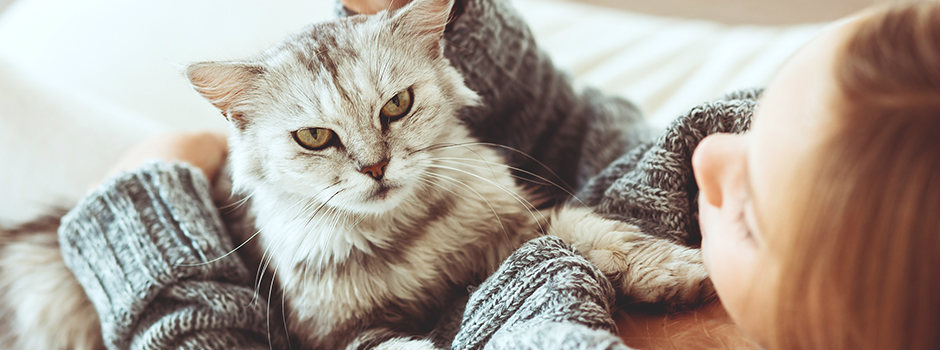
One of the most compelling aspects of cats is their complex and varied personalities. No two cats are alike, and their behaviors run the gamut from shy and aloof to affectionate and playful. Despite their reputation for being independent, many cats form deep emotional connections with their owners and can exhibit behaviors that suggest a surprising degree of affection. Cats often express this affection in subtle ways: a slow blink (often referred to as a “cat kiss”), a gentle purr, or the act of rubbing against a person’s legs, a behavior known as “bunting” that marks their territory with scent glands located around their face.
However, it’s the moments when cats choose to withdraw that truly highlight their enigmatic nature. They may disappear for hours, retreating to hidden corners of the home, only to emerge with a soft meow, as if reminding their human companions that they alone decide when it is time for attention. This mix of sociability and independence makes cats ideal companions for individuals who appreciate both closeness and solitude.
Cats are often portrayed as regal and aloof creatures, and there is some truth to this portrayal. Their high, graceful posture, the way they move with deliberate elegance, and their unhurried, almost aristocratic demeanor evoke a sense of dignity. Yet, this “aloofness” should not be confused with a lack of affection. In fact, many cat owners will attest to the deep emotional connection they share with their feline companions—one that, while more subtle than that of a dog, can be just as rewarding.
The Mystique of Cats
Cats have long been associated with mystery and superstition. Ancient civilizations revered cats, with the Egyptians going so far as to elevate them to the status of deities. The goddess Bastet, often depicted as a lioness or a woman with the head of a cat, symbolized fertility, protection, and home life. In Egypt, the killing of a cat—whether intentional or accidental—was considered a grave offense, often punishable by death. This reverence for cats transcended borders, and many cultures saw them as symbols of good luck or mystical protection.
In medieval Europe, however, the perception of cats took a darker turn. Cats, especially black ones, were often linked to witches and the supernatural. The feline’s ability to disappear into the shadows, coupled with its quiet, stealthy movements, made it a perfect companion for the enigmatic and feared figure of the witch. Despite this, cats continued to be admired for their agility and mysterious allure, and their reputations as keepers of secrets persisted throughout history.
Even today, cats continue to carry an air of mystery. Their gaze—often fixed and intense—seems to look beyond the immediate world, as though they perceive something we do not. Some believe that cats possess an intuitive ability to sense changes in their environment or the moods of their owners. While there is no scientific proof to support these claims, the notion persists that cats are somehow more attuned to the subtleties of their surroundings than other animals.
The Therapeutic Power of Cats
In recent years, the emotional and psychological benefits of having a cat as a pet have become more widely recognized. Studies have shown that the presence of a cat can reduce stress and anxiety, promote relaxation, and even lower blood pressure. The soothing sound of a cat’s purr is said to have therapeutic effects, with its frequency—between 25 and 150 Hertz—believed to promote healing and reduce inflammation in the body.
Moreover, the act of petting a cat is known to trigger the release of endorphins, providing a sense of comfort and joy. For many, the simple ritual of caring for a cat—their soft fur, the gentle purring, the act of feeding and grooming—becomes a form of mindfulness. These quiet, intimate moments offer respite from the frenetic pace of modern life, allowing their owners to connect with nature in the most peaceful way possible.
Cats also excel at providing companionship without overwhelming their owners. Unlike dogs, who require constant attention and regular walks, cats are perfectly content to sit by your side for hours or entertain themselves with a toy. This balance of social interaction and independence makes them ideal pets for individuals with busy schedules or those who live in smaller spaces. Their low-maintenance nature, combined with their quiet presence, allows them to fit seamlessly into a variety of lifestyles.
The Cat as a Symbol of Freedom
One of the most enduring qualities of cats is their symbolization of freedom. Unlike domesticated dogs, who often seem to exist in the service of their owners, cats remind us of the value of autonomy. They are not bound by schedules or routines but instead choose when and how they will interact with the world. In this sense, cats are not only companions but also teachers, showing us that personal freedom and connection need not be mutually exclusive. They embody the delicate balance between independence and affection, reminding us of the importance of both in our own lives.
Conclusion
Cats, with their quiet elegance and unpredictable nature, offer a profound sense of companionship that is both unique and comforting. From their mysterious origins to their revered place in human history, cats have always been creatures that transcend the ordinary. They are not just pets; they are enigmatic beings, capable of forging deep emotional connections with their human companions while maintaining an air of independence. To live with a cat is to accept the paradox of affection and autonomy, and in doing so, to embrace the beauty of a truly timeless relationship.