
 By Newell Jay
Modern professionals face a demanding balancing act. Between back-to-back meetings, strict deadlines, and commuting, managing a career requires immense time and energy. When you add a pet to the equation, the responsibility doubles. Pets are not merely possessions; they are family members that require attention, mental stimulation, exercise, and routine medical care.
Neglecting a pet due to professional obligations can lead to behavioral issues, separation anxiety, and physical health problems. Conversely, constantly worrying about a pet while at work can diminish your productivity and increase burnout. Achieving a harmonious balance between a thriving career and a happy, healthy pet is entirely possible. It requires strategic planning, time management, and the right support systems.
The Reality of Pet Ownership for Professionals
Before diving into solutions, it is essential to acknowledge the unique challenges that busy professionals face. Dogs, cats, and even smaller animals thrive on routine. Sudden shifts in your schedule can disrupt their sense of security.
-
The Dog Dilemma: Dogs are social pack animals. Leaving a dog alone for ten to twelve hours a day is a recipe for destructive behavior, excessive barking, and depression. They need regular bathroom breaks and physical exercise to expend energy.
-
The Feline Misconception: While cats are more independent, they are not solitary creatures that can be ignored. They require socialization, interactive play, and clean environments to prevent stress-induced illnesses.
-
The Professional Toll: Guilt is a common emotion for pet-owning professionals. This guilt can lead to distraction at work or overcompensating by sacrificing your own sleep and self-care.
To break this cycle, you must transition from a reactive mindset to a proactive strategy.
Establishing a Predictable Routine
Animals have an excellent internal clock. When their day is predictable, their anxiety levels drop significantly. Establishing a rock-solid routine helps your pet understand exactly when it is time to engage and when it is time to rest.
Morning Rituals: Setting the Tone
The way you start your morning dictates how your pet handles the rest of the day. If you rush out the door in a panic, your pet absorbs that frantic energy.
-
Wake Up 30 Minutes Earlier: Use this extra time exclusively for your pet. A brisk morning walk or a vigorous play session empties their energy reserves.
-
Mental Stimulation at Breakfast: Instead of dumping food into a standard bowl, use puzzle feeders or snuffle mats. Forcing your pet to work for their breakfast stimulates their brain, making them tired and ready for a long nap while you work.
Evening Transition: Unwinding Together
When you return home or log off from your remote workstation, your pet will likely be bursting with anticipation.
-
Immediate Engagement: Dedicate the first fifteen minutes of your post-work routine to your pet. Avoid checking emails or diving into chores immediately. A focused walk or grooming session signals that your professional day is over and their time has begun.
-
Consistent Feeding Times: Feed your pet at the same time every evening. Predictability in feeding leads to predictability in bathroom habits, making scheduling much easier.
Optimizing the Remote and Hybrid Work Environment
The rise of remote and hybrid work models has been a blessing for pet owners, but it presents its own set of obstacles. Working from home does not mean you have unlimited time to entertain your pet. Boundaries are crucial.
Creating a Designated Workspace
If your pet constantly jumps on your lap during video conferences or steps on your keyboard, you need to establish spatial boundaries. Keep your home office a productive zone by setting up a comfortable pet bed just outside or in a corner of the room. This allows your pet to feel close to you without disrupting your workflow.
Scheduling Mid-Day Micro-Breaks
Human brains are not wired to focus for eight hours straight. Use your natural work breaks to benefit your pet. Implement the Pomodoro Technique or a similar time-management framework. After every ninety minutes of deep work, spend five minutes throwing a ball, brushing your cat, or letting your dog outside. These micro-breaks refresh your mind and satisfy your pet.
Managing Noise During Calls
A barking dog during an important client presentation is a major stressor. Anticipate your meeting schedule. If you know you have a critical call at 2:00 PM, schedule your pet’s main activity or a high-value treat (like a frozen peanut butter toy) for 1:45 PM. This ensures they are occupied or sleeping when you need silence.
Leveraging Technology and Smart Solutions
Technology has made it significantly easier to care for pets from afar. Incorporating smart home devices can bridge the gap when you cannot physically be there.
-
Automated Feeders: These devices dispense precise portions of food at scheduled intervals. This is particularly useful if you are stuck late at the office or in traffic, ensuring your pet’s meal schedule remains uninterrupted.
-
Interactive Pet Cameras: High-definition cameras allow you to check on your pet via a smartphone app. Many models include two-way audio, laser toys, or treat dispensers, allowing you to soothe or entertain your pet from your office desk.
-
Smart Water Fountains: Moving water encourages pets to stay hydrated. Automated fountains keep water fresh and filtered, reducing the risk of urinary tract issues in cats and dogs.
Building a Reliable Support Network
You do not have to do everything yourself. Delegating certain aspects of pet care is a smart strategy for any busy professional.
Professional Dog Walkers and Pet Sitters
Hiring a professional dog walker to visit your home midday is one of the best investments a professional can make. A thirty-minute walk breaks up the monotony of the day, provides a bathroom break, and offers vital socialization.
Doggy Daycare
For high-energy breeds, doggy daycare once or twice a week can be a game-changer. It provides intense socialization and physical exercise. On the days your dog attends daycare, they will come home completely exhausted, giving you a quiet evening to catch up on extra work or relax.
Cooperative Pet Sitting
If professional services do not fit your budget, build a network with neighbors or colleagues who also have pets. You can establish a cooperative system where you trade off pet-sitting duties on weekends or alternate days for midday check-ins.
Environmental Enrichment for Solo Hours
When pets are left alone, boredom is their greatest enemy. An under-stimulated pet will find ways to entertain themselves, often through destructive chewing, scratching, or digging.
| Enrichment Type | Description | Best For |
| Olfactory Stimulation | Hiding treats around the house or using scent trails. | Dogs and curious cats |
| Visual Entertainment | Leaving a window blinds open or playing videos designed for pets. | Indoor cats and calm dogs |
| Auditory Calming | Playing classical music, white noise, or television dialogue. | Pets with separation anxiety |
| Tactile Puzzles | Lick mats covered in wet food, yogurt, or pumpkin puree. | All pets needing stress relief |
Health and Wellness Efficiency
Preventative care saves time and money in the long run. Emergency vet visits are incredibly disruptive to a busy schedule.
-
Subscription Services: Set up auto-shipments for pet food, litter, and preventative medications. This eliminates last-minute trips to the store when you are already exhausted.
-
Mobile Veterinarians: Many vets now offer home-visit services. This eliminates the time spent driving to a clinic and waiting in a reception room, allowing you to work right up until the vet arrives at your door.
-
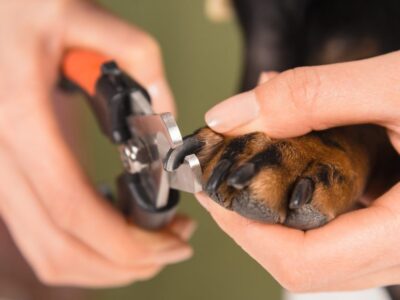
Weekend Grooming Appointments: Schedule routine maintenance like nail trims and baths on your days off, or utilize mobile grooming vans that service your pet right outside your home during your working hours.
Conclusion
Balancing a demanding career and pet ownership is not about being a perfect parent; it is about consistency and efficiency. By establishing predictable routines, leveraging modern technology, utilizing professional help, and maximizing your remote work environment, you can provide an exceptional quality of life for your pet without compromising your professional trajectory. The companionship, stress relief, and unconditional love a pet offers are well worth the logistical effort.
Frequently Asked Questions
How do I know if my pet is suffering from separation anxiety or just boredom?
Separation anxiety usually manifests within the first thirty minutes of your departure. Symptoms include frantic pacing, continuous whining or barking, destructive behavior directed at exit points like doors and windows, and accidents inside the home despite being house-trained. Boredom, on the other hand, usually results in random destructive behavior later in the day, such as chewing a shoe or unrolling toilet paper, and is generally accompanied by a calm demeanor when you return.
What are the best dog breeds for professionals who work long hours?
Low-energy, independent breeds handle solo time much better than high-drive working breeds. Basset Hounds, Greyhounds (who are notorious couch potatoes despite their racing background), French Bulldogs, and Chihuahuas tend to adapt well to apartment living and professional schedules. Avoid high-energy breeds like Border Collies, Australian Shepherds, or Siberian Huskies unless you have dedicated daily help to exercise them.
Is it cruel to keep an indoor cat if I work away from home all day?
No, it is not cruel, provided the indoor environment is enriched. Cats sleep between twelve and sixteen hours a day, often aligning their sleep cycles with their owner’s absence. To ensure they stay happy, provide vertical spaces like cat trees, place bird feeders outside windows for visual entertainment, and dedicate twenty minutes to interactive feather or laser play as soon as you get home.
How can I stop feeling guilty about leaving my pet home alone?
Shift your focus from the quantity of time spent together to the quality of that time. A professional who spends two hours of highly focused, active time walking and playing with their pet provides a better lifestyle than someone who is home all day but completely ignores the animal. If your pet’s physical and mental needs are met, they spend their solo hours resting comfortably, not suffering.
How do I introduce an automated feeder without scaring my pet?
Start by placing the automated feeder near your pet’s regular bowl without turning it on, allowing them to sniff it and eat near it. Next, manually trigger the dispensing mechanism while you are standing nearby, offering high-value treats immediately after the machine makes its noise. This creates a positive association between the mechanical sound and food. Within a few days, your pet will run toward the feeder whenever they hear it activate.
What should I do if my pet interrupts an important virtual meeting?
Do not panic or apologize profusely, as this draws more attention to the disruption. Gently guide your pet out of the camera frame or give them a quiet command. If you are using a platform with an AI background or blur feature, it will often mask minor movements. For critical meetings, always utilize a headset with noise-canceling microphone technology, which filters out high-frequency sounds like barking or meowing before it reaches your colleagues.