Animals

The Science of Animal Sleep Patterns and Dreams

Sleep, a phenomenon so integral to life, remains one of nature’s most fascinating enigmas. While the mechanics and significance of human sleep are well-documented, the sleeping habits of animals offer a window into a rich tapestry of adaptations and biological intricacies. From the slumber of marine mammals to the intriguing prospect of animal dreams, the science behind these patterns provides a captivating exploration into the natural world.

Why Animals Sleep: A Multifaceted Necessity

For animals, sleep serves as much more than mere rest; it is a vital process for survival and functionality. Sleep enables the body to conserve energy, recover from daily activities, and maintain cognitive and physical health. Yet, the specific sleep requirements and behaviors vary widely across species, reflecting their evolutionary adaptations and ecological niches.

  • Energy Conservation: Small mammals like bats use sleep as a strategy to conserve energy. Their high metabolism necessitates long periods of rest, during which their heart rate and body temperature decrease dramatically.
  • Cognitive Restoration: Birds, for instance, display sleep patterns that are essential for memory consolidation. Research reveals that zebra finches rehearse songs during REM sleep, aiding in the retention of learned vocalizations.

This variety underscores that while sleep is universal, its function is tailored to the unique needs of each species.

Unique Sleep Strategies Across the Animal Kingdom

Animals have evolved extraordinary sleep strategies to navigate environmental challenges and predator risks.

  • Unihemispheric Sleep: Marine mammals such as dolphins and whales exhibit unihemispheric slow-wave sleep, where one hemisphere of the brain rests while the other remains awake. This adaptation allows them to surface for air and maintain vigilance against predators.
  • Segmented Sleep in Herbivores: Large grazing mammals like horses have short sleep cycles, often divided into brief bouts of deep sleep interspersed with periods of wakefulness. This segmented approach helps them remain alert to potential threats.
  • Torpor and Hibernation: Certain animals, such as hummingbirds, enter a state of torpor—a form of light hibernation—to conserve energy during periods of food scarcity. While technically distinct from traditional sleep, torpor serves a similar restorative function.

These behaviors reflect an interplay between biology and environment, demonstrating how sleep evolves to meet ecological demands.

The Enigma of Animal Dreams

The question of whether animals dream has long captivated researchers and pet owners alike. REM sleep, the stage associated with vivid dreaming in humans, has been observed in many species, from mammals to birds and even reptiles. During this phase, animals display rapid eye movements, muscle twitches, and brain activity patterns resembling those seen in human dreamers.

  • Mammalian Dreams: Studies on rats have revealed that their brains replay the day’s experiences during REM sleep. For instance, rats navigating mazes show neural activity during sleep that mirrors the patterns observed while they were exploring.
  • Avian Dreaming: Birds, particularly songbirds, exhibit REM sleep behaviors suggesting they might dream about their songs. This process appears to aid in song refinement, an essential skill for communication and mating.
  • The Case of Reptiles: Research into bearded dragons, a species of lizard, suggests that even reptiles might experience dream-like states, challenging the notion that dreaming is exclusive to mammals and birds.

While we may never fully decode the content of animal dreams, these findings open a portal to understanding how sleep shapes their inner worlds.

Environmental and Social Influences on Sleep Patterns

The sleep behaviors of animals are deeply influenced by their habitats and social structures.

  • Nocturnal vs. Diurnal Rhythms: Nocturnal animals, like owls, have evolved to sleep during the day to exploit nighttime hunting opportunities. Conversely, diurnal animals, such as primates, rely on daytime activity for foraging and social interaction, necessitating nighttime rest.
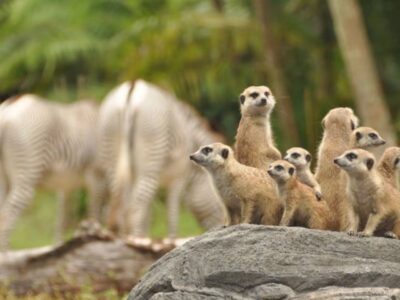
  • Social Sleep Dynamics: Species like lions and meerkats exhibit group sleeping behaviors, which enhance safety and strengthen social bonds. Lions often rest in prides, where individuals take turns keeping watch, ensuring collective protection.
  • Environmental Pressures: Arctic animals like polar bears face seasonal variations in daylight that affect their sleep cycles. During the polar night, they experience extended rest periods, while the continuous summer daylight reduces their need for sleep.

These influences reveal how sleep is not only a biological imperative but also a behavior shaped by external factors.

Implications for Human Understanding

Studying animal sleep provides profound insights into our own biological processes and disorders. For example, research on dolphins’ unihemispheric sleep has inspired advancements in understanding human sleep apnea. Additionally, examining REM sleep in animals has contributed to studies on memory and learning, emphasizing the universal importance of sleep across species.

A Glimpse into Nature’s Restful Wonders

The science of animal sleep patterns offers a mesmerizing glimpse into the adaptability and ingenuity of life on Earth. From the vigilant slumber of dolphins to the quiet dreams of songbirds, these behaviors highlight the intricate ways in which sleep supports survival and shapes the animal kingdom. This knowledge not only enriches our appreciation of nature but also deepens our understanding of the vital role sleep plays in all living beings.

What is your reaction?

Excited
0
Happy
0
In Love
0
Not Sure
0
Silly
0

You may also like

More in:Animals