
 By Newell Jay
Allergies are a common issue that many pet owners face, and they can affect both pets and humans within the same household. Whether it’s an allergy to pet dander, food, or environmental factors, these reactions can disrupt daily life. Understanding how to manage and alleviate pet allergies is essential for maintaining a happy and healthy environment for both your furry companion and the people in your home.
In this article, we will explore the various types of pet allergies, their causes, and the most effective strategies for managing them. By staying informed and proactive, you can minimize the impact of allergies and create a comfortable living space for everyone.
1. Understanding Pet Allergies: What Causes Them?
Pet allergies typically stem from the immune system reacting to proteins found in a pet’s skin cells (dander), saliva, or urine. While people are more commonly affected by these allergens, pets themselves can also suffer from allergic reactions to environmental factors such as pollen, mold, or even certain foods.
Common Types of Pet Allergies:
- Allergies to Pet Dander: The most common cause of allergies in both humans and pets, dander consists of tiny flakes of skin shed by pets. This microscopic material can cause allergic reactions in sensitive individuals, leading to symptoms such as sneezing, itchy eyes, or skin rashes. Even pets with short coats or no hair can trigger allergic responses due to dander.
- Food Allergies: Pets can develop allergic reactions to certain ingredients in their food, such as beef, chicken, grains, or dairy. Symptoms can range from gastrointestinal issues (vomiting, diarrhea) to itchy skin, ear infections, or more severe reactions like swelling or breathing difficulties.
- Environmental Allergies: Just like humans, pets can suffer from seasonal allergies. These allergies are caused by things like pollen, dust mites, mold, and even fleas. Pets with environmental allergies often exhibit symptoms such as excessive itching, sneezing, or watery eyes.
- Flea Allergies: Fleas are a common cause of allergic reactions in pets. Flea allergy dermatitis is an intense reaction to flea saliva that can cause severe itching, hair loss, and skin infections.
2. Signs That Your Pet May Have Allergies
Recognizing the signs of allergies in pets can be challenging, as many of the symptoms can resemble other health issues. Common signs that your pet may be dealing with allergies include:
- Excessive Itching: Constant scratching, licking, or biting at the skin are common signs of allergic reactions in pets. This can lead to hair loss and hot spots if not addressed promptly.
- Ear Infections: Pets with allergies often suffer from recurring ear infections, which can cause itching, discharge, and foul odor.
- Gastrointestinal Issues: Vomiting, diarrhea, or changes in appetite may indicate a food allergy or intolerance.
- Respiratory Symptoms: While less common in pets, respiratory symptoms such as sneezing, coughing, or watery eyes can be a sign of an allergy to pet dander or environmental allergens.
- Skin Inflammation: Allergic reactions often result in red, inflamed, or scabbed skin. Pets may also develop hives or rashes in response to allergens.
If you notice any of these symptoms, it is important to consult a veterinarian to determine the cause of the allergy and the best course of treatment.
3. Managing Pet Allergies: Practical Solutions for a Happy Household
Managing allergies, whether they affect your pet or the humans in the household, requires a combination of prevention, treatment, and lifestyle adjustments. Below are effective strategies to help manage pet allergies and reduce their impact on everyone in the home.
Managing Pet Dander Allergies
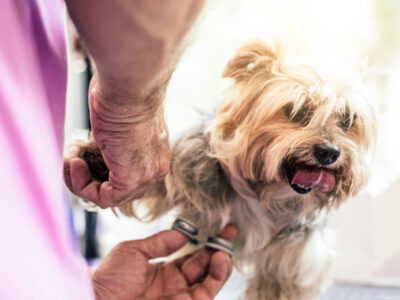
- Regular Grooming: Frequent grooming is essential for pets with long coats, as it helps remove dander, dirt, and loose hair. Brush your pet regularly, and give them baths using pet-safe shampoos to reduce allergens. For cats and dogs that don’t enjoy baths, consider using wipes designed to remove dander.
- Air Purifiers: Investing in high-quality air purifiers can help reduce airborne pet allergens in your home. Look for air purifiers with HEPA filters, which are designed to trap microscopic particles such as pet dander, dust, and pollen.
- Create Pet-Free Zones: Designate certain areas of the home—such as bedrooms and the living room—as pet-free zones to reduce exposure to allergens. This can be especially helpful for family members who suffer from allergies to pet dander.
- Clean Bedding and Furniture: Wash your pet’s bedding, toys, and any blankets or furniture that they frequently come into contact with. Using allergen-proof covers on furniture and bedding can also help minimize exposure to dander.
Managing Food Allergies
- Identify the Allergen: If your pet is exhibiting signs of a food allergy, a veterinarian may recommend an elimination diet to pinpoint the specific food causing the allergic reaction. This involves feeding your pet a limited ingredient diet for a set period and gradually reintroducing ingredients to identify the trigger.
- Choose Hypoallergenic Pet Food: Once you’ve identified the allergen, switch to a hypoallergenic or specialized diet that excludes the problematic ingredients. Many pet food brands offer formulas designed for pets with food sensitivities or allergies, using novel protein sources like lamb, venison, or duck, which are less likely to trigger an allergic reaction.
- Avoid Table Scraps: It may be tempting to share your food with your pet, but human food often contains ingredients that can trigger allergic reactions. Stick to pet food and treats that are specifically formulated for their dietary needs.
Managing Environmental Allergies
- Bathing and Wiping: Regularly bathing your pet and wiping their paws and coat after outdoor walks can help remove pollen, dust, and other allergens. This can be particularly useful during allergy seasons when pollen counts are high.
- Keep Windows Closed: During peak allergy seasons, keep windows closed to prevent pollen and other allergens from entering the home. Consider using air conditioning to maintain a comfortable indoor environment.
- Maintain Clean Floors: Vacuuming your home regularly and using a vacuum cleaner with a HEPA filter can help reduce allergens on the floor. Wash floors with pet-safe cleaning products to eliminate dust and mold spores that may contribute to allergies.
Managing Flea Allergies
- Flea Prevention: Flea allergy dermatitis is often preventable with proper flea control. Work with your vet to select an effective flea prevention product that works for your pet’s specific needs.
- Regular Flea Checks: Inspect your pet for fleas, especially during warmer months. Fleas are small and can be difficult to spot, but the presence of flea dirt (small black specks) on your pet’s skin can be an indication of an infestation.
- Treat Flea Bites Promptly: If your pet develops flea bites, apply an anti-itch ointment or consult your veterinarian for additional treatments to soothe irritation and prevent infection.
4. When to Consult a Veterinarian
If your pet’s allergy symptoms persist despite your efforts to manage them, or if they show signs of severe reactions such as difficulty breathing, swelling, or intense itching, it’s important to seek professional help. A veterinarian can conduct tests to determine the cause of your pet’s allergies and recommend appropriate treatment options, including allergy shots, medications, or other interventions.
Final Thoughts
Managing pet allergies requires vigilance and a proactive approach. By understanding the different types of allergies, recognizing the symptoms early, and implementing practical solutions, you can create a happy, healthy household for both your pet and your family. With the right strategies and support, you can help minimize allergy-related discomfort and ensure that your pet enjoys a full, active life.