
 By Newell Jay
Choosing the right lead for your dog may seem like an easy task. However, it is more important than you might imagine. A lead is designed to help in training and safety. It doesn’t matter whether you have a laid-back Labrador or an active Terrier; your lead must be suitable for their needs. These are the tips that can help you in choosing the right lead:
1. Consider Dog Size and Lead Strength
When choosing a lead, the size of your dog is a major factor. Big dogs require stronger and thicker leads that cannot break when they pull. Smaller breeds are well-suited for thin leads, which do not weigh them down.
One should also examine the clip. It should be strong and sturdy, particularly with larger breeds. Your dog and other people can be in danger if the clips break.
In case you have no idea about where to begin, you can find dog leads that are designed to suit the size and activity of your dog. Most brands include the appropriate size for the breed on their packaging.
2. Match the Lead to Your Dog’s Behaviour
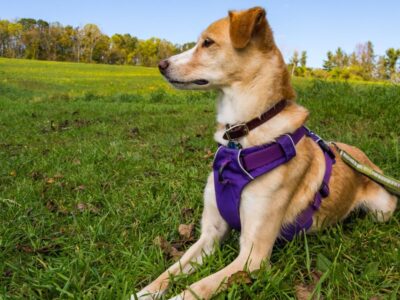
Energetic or active dogs might require a special kind of lead. A short lead is helpful in controlling during training or walking in crowded places. A no-pull harness, combined with a strong lead, will help dogs that pull excessively.
A normal flat lead is suitable for calm or older dogs. They are simple to wear and they provide a comfortable walking experience. Puppies, however, tend to do well with light nylon leads as they get used to them.
3. Opt for Trending Materials
Consider your lifestyle and your dog’s needs, and always choose a material that suits them. An example would be that, if you have a dog that loves playing in water, you would prefer nylon or waterproof leads over leather.
Modern dog leads are made from various materials, each with its advantages. Here are the most popular ones:
- Retractable leads
- Leather
- Eco-friendly leads
4. Provide Training Leads
Training leads are an excellent option for new dog owners. They tend to be longer and allow more freedom, without losing control. There are those that can be abridged or extended depending on your location.
Such leads can be helpful in teaching commands, such as ‘heel’ or ‘stay’. They also perform well in open spaces or parks. However, they are intended to be applied when your dog has already reached a certain level of training.
5. Prioritise Safety
Regardless of the breed and age of your dog, safety is a major concern. Always ensure that you have checked your lead before going out. Inspect for fraying, broken clips, or loose stitching.
Wear reflective leads or attach reflectors to yourself when walking in the early morning or at night. This assists motorists and riders in noticing you and your pet. Also, be careful not to tie the lead on your wrist. This can hurt you when your dog pulls.
In conclusion, an ideal dog lead fits the size of your dog, behaviour, and your lifestyle. It does not matter whether you choose a classic leather lead or a retractable one. Your choice should be based on comfort and control.