
 By Newell Jay
The relationship between humans and dogs is one of the most enduring and profound bonds in the animal kingdom. Dogs have been our companions for thousands of years, from ancient hunters to modern-day pets. This connection goes far beyond simple domestication; it is rooted in science and biology, drawing on evolutionary processes and neurochemical responses. In this article, we will explore the science behind the bond between humans and dogs, focusing on the biological and emotional factors that strengthen our connection with these loyal companions.
1. The Role of Oxytocin: The “Love Hormone”
One of the key players in the bond between humans and dogs is oxytocin, often referred to as the “love hormone” or “bonding hormone.” Oxytocin is a neuropeptide that plays a significant role in social bonding, trust, and affectionate behaviors.
- Shared Release of Oxytocin: Research has shown that when humans interact with their dogs, both parties experience a surge in oxytocin levels. This is particularly evident when dogs and humans make eye contact. A study published in Science in 2009 demonstrated that when humans gazed into their dog’s eyes, both the human and the dog had elevated levels of oxytocin, similar to the bonding experience between a mother and her infant.
- Strengthening the Bond: This hormone encourages affectionate behavior, such as petting, cuddling, and playing, which further reinforces the bond. The release of oxytocin helps dogs and humans feel more connected and emotionally attuned to each other.
2. Evolutionary Origins: A Long-Standing Partnership
The bond between humans and dogs is not a recent development; it has roots in the distant past. Dogs were domesticated from wolves around 20,000 to 40,000 years ago. Over time, humans and dogs formed a mutually beneficial relationship that evolved into the deep connection we experience today.
- Mutual Benefits: Early humans likely benefited from dogs’ superior senses, using them for hunting and guarding. In turn, dogs gained access to food and shelter. This symbiotic relationship laid the foundation for the close companionship we see today.
- Selective Breeding: Over thousands of years, dogs were selectively bred for specific traits that suited human needs, from herding and guarding to companionship. This selection process led to the domesticated dogs we know today, who are not only skilled workers but also highly attuned to human emotions.
3. Canine Sensory Perception and Emotional Sensitivity
Dogs have an extraordinary ability to sense and interpret human emotions, further strengthening the bond between us. Their keen senses allow them to pick up on subtle cues that humans might miss, such as body language, tone of voice, and even changes in our scent.
- Sense of Smell: A dog’s sense of smell is far superior to that of humans. While humans have about 5 million olfactory receptors, dogs have around 300 million. This heightened sense allows dogs to detect changes in human emotion and even recognize individual humans by their scent.
- Emotional Sensitivity: Dogs are highly empathetic creatures. They can sense changes in our emotional states, whether we are happy, sad, anxious, or fearful. This sensitivity allows them to respond appropriately, often providing comfort or companionship when their human is in distress. Research has shown that dogs can even read facial expressions and react accordingly, showcasing their ability to form emotional connections.
4. Communication and Social Bonding
Dogs communicate with humans in ways that are unique and complex. While they cannot speak, they have developed a sophisticated repertoire of vocalizations, body language, and behaviors to convey their emotions and intentions. This non-verbal communication is crucial to the bond between dogs and humans.
- Vocalizations and Body Language: Dogs use barking, whining, growling, and even sighing to express their needs and emotions. They also use body language, such as wagging their tails, raising their ears, and making eye contact, to signal their feelings. These communication methods help dogs interact with humans in ways that foster understanding and emotional connection.
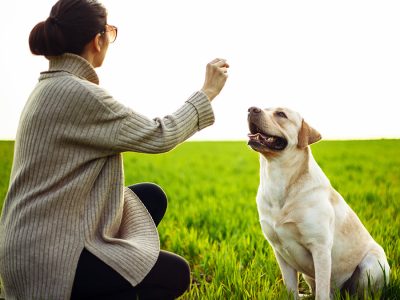
- Mutual Understanding: Over time, dogs have learned to interpret human gestures, tone of voice, and facial expressions. A dog may recognize that a raised hand signals a command, or that a soft, soothing voice indicates affection. This mutual understanding strengthens the emotional bond, allowing humans and dogs to communicate and respond to each other’s needs.
5. Dogs as Social Catalysts: Enhancing Human Connections
The bond between humans and dogs not only benefits the individuals involved but also fosters connections among people. Dogs have been shown to act as social catalysts, bringing people together and helping humans form bonds with one another.
- Social Interaction: Dogs often serve as icebreakers in social situations. For example, dog owners tend to meet other dog owners during walks or at dog parks, leading to increased social interaction and a sense of community.
- Psychological Well-Being: Studies have shown that owning a dog can have positive effects on mental health, reducing stress, anxiety, and depression. The companionship of a dog offers emotional support and a sense of purpose, making dogs vital to our overall well-being.
6. The Biological Basis of Attachment
The attachment between humans and dogs mirrors the attachment humans feel for other humans, particularly for family members. This bond is rooted in the brain’s reward system, which is activated when humans and dogs interact in positive ways.
- Reward System Activation: Interacting with a dog triggers the release of dopamine, the brain’s “feel-good” neurotransmitter. This chemical response reinforces the pleasure and satisfaction derived from spending time with a dog. As a result, the more positive interactions people have with their dogs, the stronger the attachment becomes.
- Attachment Behavior: Just as children form attachments to their caregivers, humans form attachments to their dogs. These bonds are characterized by behaviors such as seeking proximity, showing affection, and seeking comfort from the dog in times of stress.
7. Dogs and the Human Heart: Unconditional Love
One of the most remarkable aspects of the bond between humans and dogs is the unconditional nature of their love. Unlike humans, who may struggle with complex emotions or conflicts, dogs offer a form of love that is pure, untainted by judgment or expectation.
- Non-Judgmental Affection: Dogs don’t hold grudges or harbor ill feelings. They are always ready to offer companionship, love, and loyalty, regardless of the circumstances. This unconditional love is one of the most powerful aspects of the human-dog bond, fostering a deep sense of trust and affection between the two species.
Conclusion
The bond between humans and dogs is rooted in science, biology, and emotional connection. From the release of oxytocin to their ability to sense our emotions, dogs have evolved alongside us to become integral members of our families. Their loyalty, empathy, and unconditional love make them unique companions, and understanding the science behind this bond allows us to appreciate the depth of the connection we share with our canine friends.