 By Newell Jay
Choosing the right dog trainer is an important decision for both you and your pet. Whether you have a puppy or an adult dog, finding a trainer who understands your specific needs can make all the difference in your dog’s behavior and overall well-being. With so many options available, it can be overwhelming to determine the best fit for your dog’s personality and your own training goals. Here’s a comprehensive guide to help you navigate the process of selecting the right dog trainer for your needs.
Certain breeds require specialized grooming, and Dog grooming Sandy has the expertise to handle it all. From hypoallergenic shampoos to breed-specific cuts, their groomers ensure your pet gets the exact care it needs. Trust Dog grooming Sandy for specialized grooming care for every breed and size.
1. Determine Your Training Goals
Before you start searching for a dog trainer, it’s crucial to define your training goals. Are you looking to address behavioral issues such as barking, biting, or separation anxiety? Or do you simply want to teach your dog basic obedience commands like sit, stay, or come? Identifying your goals will help you narrow down the type of training your dog needs and the type of trainer who can meet those needs.
For example, if your dog has specific behavioral challenges, you may need a trainer who specializes in behavior modification. If you’re training a puppy, a trainer experienced in early development and socialization may be a better fit. Once you understand your goals, you can focus your search on trainers who align with those objectives.
2. Research Different Training Methods
Dog training methods can vary widely, so it’s important to understand the approach a potential trainer uses. There are several methods of training, such as positive reinforcement, dominance-based training, and clicker training.
- Positive reinforcement involves rewarding desirable behaviors with treats, praise, or toys, encouraging your dog to repeat those behaviors.
- Dominance-based training focuses on establishing the trainer (and owner) as the “alpha” in the relationship, using correction techniques to deter unwanted behaviors.
- Clicker training uses a sound device (clicker) to mark the moment a dog performs a desired behavior, followed by a reward.
While each method can be effective, positive reinforcement is widely considered the most humane and effective approach for creating a strong bond with your dog. It’s important to ask potential trainers about their training methods and make sure you’re comfortable with their philosophy. Avoid trainers who rely heavily on punishment or intimidation, as these techniques can be harmful and may cause more behavioral issues in the long term.
3. Check Qualifications and Experience
A well-qualified dog trainer will have the knowledge and experience to effectively work with dogs of all breeds and temperaments. Look for trainers who are certified by recognized organizations, such as the Certification Council for Professional Dog Trainers (CCPDT) or the International Association of Canine Professionals (IACP). Certification indicates that the trainer has undergone formal education and passed exams demonstrating their understanding of dog behavior and training techniques.
In addition to certification, consider the trainer’s experience in the field. How long have they been training dogs? Do they have experience with the specific breed or behavior issue you’re facing? Experienced trainers will be able to handle a variety of situations and adjust their methods to fit your dog’s needs. If your dog has a unique behavioral challenge or special requirements, find a trainer who has experience addressing similar issues.
4. Ask for Recommendations
One of the best ways to find a reputable dog trainer is through word of mouth. Ask friends, family, or your veterinarian for recommendations. If someone you trust has had a positive experience with a particular trainer, it’s a good sign that they are reliable and effective.
Online reviews and testimonials can also provide valuable insights into a trainer’s reputation. Check social media platforms, Google reviews, or specialized dog training websites for feedback from other dog owners. Positive reviews and success stories from clients can give you a sense of what to expect and help you make an informed decision.
5. Observe a Class or Private Session
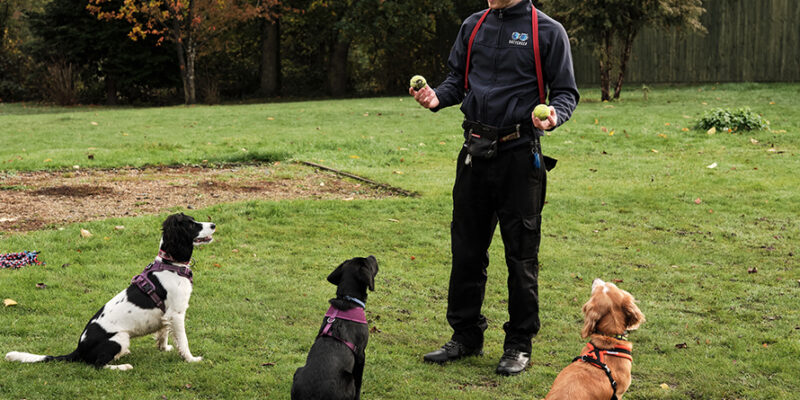
Once you’ve narrowed down your list of potential trainers, consider observing a class or scheduling a private session to get a feel for their teaching style. If you’re considering group classes, attend one to see how the trainer interacts with the dogs and their owners. Pay attention to how they manage the class, how they communicate with the dogs, and how they address different behavioral issues.
If you prefer private sessions, ask if you can watch a training session beforehand. During the session, observe how the trainer interacts with your dog and whether they are attentive, patient, and positive in their approach. Does the trainer seem genuinely interested in your dog’s well-being? Do they take the time to explain their methods and answer any questions you may have?
6. Evaluate Communication and Compatibility
Effective communication is essential for a successful training experience. The best trainers are not only knowledgeable but also good communicators. They should be able to explain their training methods clearly and make you feel comfortable asking questions. They should also be open to feedback and willing to adapt their techniques if necessary.
Compatibility is another important factor. Your trainer should be someone you feel comfortable working with and trusting. A positive working relationship will ensure that both you and your dog benefit from the training experience. If you don’t feel at ease with a trainer or feel that they are too harsh, it may not be the right fit.
7. Consider the Trainer’s Availability and Location
Practical considerations such as location, availability, and scheduling should also factor into your decision. How far is the trainer’s location from your home? Are they available at times that fit your schedule? If the trainer only offers group classes, will they work with your dog on an individual basis if needed?
If you’re opting for private lessons, check how often the trainer is available and how flexible they are with scheduling. Consistency is key when it comes to training, so it’s important to find a trainer whose availability aligns with your needs.
8. Cost and Packages
While you should not base your decision solely on cost, it’s important to understand the financial commitment involved. Some trainers charge per session, while others offer package deals that include multiple lessons. Prices can vary depending on the trainer’s experience, location, and the type of training offered. Make sure to ask for a clear breakdown of costs upfront to avoid surprises later.
Be wary of trainers who offer extremely low prices, as this can sometimes be an indication of inexperience or subpar services. Conversely, the most expensive trainer may not necessarily be the best choice for your dog. Find a trainer whose prices are reasonable for your budget and whose services match your training goals.
9. Trust Your Instincts
Finally, trust your instincts when choosing a dog trainer. If something feels off or you have doubts about a trainer’s methods, it’s okay to keep looking. The right trainer will make both you and your dog feel comfortable, respected, and empowered throughout the training process.
Conclusion
Choosing the best dog trainer for your needs involves careful research, understanding your dog’s unique needs, and evaluating the trainer’s qualifications, methods, and personality. By following these guidelines and considering your goals, you can find a professional who will help your dog develop good habits and strengthen your bond with them. With the right trainer, you’ll be well on your way to raising a well-behaved and happy dog.